Showing posts with label biomedical intervention. Show all posts

Sunday, April 15, 2018

What Science Says About Autism

Last week I found two links to websites I thought would offer insights into possible causes and treatments for autism. Unfortunately, I was disappointed. However, the information from these links is worth sharing because both sites reveal bias and attitudes some scientists and doctors hold regarding autism research. Moreover, they demonstrate the limitations in providing care for patients with autism offered by those who ascribe to these viewpoints.

In the first article, “Autism Awareness Month: All The Things That Don’t Cause Autism,” microbiologist Dr. Alex Berezow condescendingly eliminates various potential causes of autism except genetics. This article, which was published April 5, 2018, on the website for the American Council on Science and Health, of which Dr. Berezow is Senior Fellow of Biomedical Science, uses inflammatory language to prove his point. Specifically he refers to one theory as being believed by “at least one lunatic” and notes that some parents “stink” at parenting skills. [To read this article, please click here.]

Especially incensed by the theory that vaccines cause autism, he attacks Dr. Andrew Wakefield’s “study” [Dr. Berzow’s use of quotation marks, not mine] as a “sham” and calls Dr. Wakefield a “fraud.” So certain is Dr. Berezow that no link exists between vaccines and autism, he asserts, “A substantial proportion of people refuse to accept the reality that vaccines do not cause autism.” Perhaps so many people disagree because his declaration may not be “reality.”

While Dr. Berezow goes on to name various environmental factors, such as immune factors, pollution, and pesticides, he believes that their effect upon autism is marginal. Moreover, he states that pesticides are “used at safe levels in the U.S.” and that the “U.S has some of the cleanest air in the world.” Perhaps he sees toxins as less of a threat to health than many autism parents do. Apparently, Dr. Berezow has autism all figured out–-it’s “50% to 95% genetic.” That strikes me as a wide range, and I’m curious as to what the other 50% to 5% may be. Finally, he warns those who fail to heed his infallible expertise regarding genetics as the only cause of autism: “Be skeptical of claims to the contrary.”

The second website also proved to be less than helpful. The Association for Science in Autism Treatment’s (ASAT) website purports to offer medical professionals “an array of resources that will keep you apprised of the state of the science with respect to the hundreds of treatments for autism, many of which are biomedical in nature.” [For a link to this website, please click here.] Despite their motto, “Real Science, Real Hope,” there doesn’t seem to be much hope offered on this website.

In the summaries of biomedical autism treatment, only one method is listed under “What works or needs more research”: selected medications, specifically psychotropic medications, such as Risperdal, Ritalin, Prozac, and Abilify. Recommending these drugs for severe aggression, hyperactivity, and other disruptive behaviors, this website notes that these medications are effective interventions for some people with autism. Certainly, medications can be helpful with difficult behaviors found in autism, but these medications can also have negative side effects, and offering only medications as biomedical treatment gives few options to doctors and their patients.

In contrast, twelve biomedical treatments are listed as “What doesn’t work or is untested”: anti-fungal and anti-yeast medication, chelation therapy, craniosacral therapy, herbs and homeopathic treatments, hyperbaric oxygen therapy, iridology, magnets, marijuana, neurofeedback therapy, secretin, special diets, as well as vitamin and supplement therapy. These methods are likely listed because anecdotal evidence shows that parents have found these methods helpful to their children with autism. However, this website destroys the credibility of each of these treatments one by one, explaining how they are of little or no use.

For example, anti-fungal medications to treat yeast infections in the digestive system have been critical to Alex’s health and well being when he has had Candida overgrowth, evidenced by thrush infection in his mouth. When he has yeast infections, he is irritable and agitated, probably because he doesn’t feel well. Nonetheless, ASAT discounts ant-fungal medication as “untested as a treatment for autism spectrum disorders” and suggests that medical professionals warn families about potential side effects of the medication.

Additionally, we pursued chelation therapy with Alex because he had high levels of the toxins arsenic, lead, and mercury in his system. However, ASAT states: “It is doubtful that individuals with autism spectrum disorder have high levels of heavy metals or that chelating agents would be effective in reversing neurological damage from metal exposure.” Furthermore, ASAT describes chelation therapy as “implausible and unacceptably risky” because it “may cause severe side effects and even death.” They conclude that chelation therapy is an “inappropriate treatment for autism spectrum disorders.” However, allowing toxic metals to remain in the body of a child with autism can also cause severe side effects and even death. To discount the possibility that toxic levels of heavy metals exist in children with autism is to ignore a serious health issue. Doctors need at least to test for heavy metal toxicity before discounting chelation therapy.

Another treatment method ASAT discourages is special diets, such as the gluten-free and casein-free diet, based upon two studies that “found no evidence of benefit from the gluten-free, casein-free diet.” Furthermore, ASAT states, “There is a risk that removing gluten and casein from an individual’s diet will lead to inadequate nutrition…” Consequently, ASAT recommends, “Professionals should present diets as untested as a treatment for autism spectrum disorders…”This stance fails to recognize that many children with autism have allergies or sensitivities to glutens found in grains and caseins found in milk products and benefit from removing these foods from their diets. Certainly, people with autism should be tested for gluten and casein intolerance before dismissing special diets as treatment for autism. Moreover, the study I cited in last week’s blog entry indicates that special diets prove quite beneficial for people with autism; apparently, ASAT has not yet read that extensive research report.

Similarly, that same research report cites the value of vitamin and mineral supplements, yet ASAT does not recommend nutritional supplements to treat autism. Specifically, they describe vitamin B6, magnesium, and omega 3 fatty acids as “ineffective in changing behavior.” Additionally, they note that vitamin B12 and carnitine show “little evidence of positive effects on behavior.” Perhaps they need to do more extensive research before discounting the value of nutritional supplements instead of relying on only a few studies. In addition, people with autism should be tested for nutritional deficiencies before determining they will not benefit from vitamin, mineral, essential fatty acid, and amino acid supplements.

Essentially, ASAT offers only one biomedical treatment––psychotropic medications––while dismissing several other treatments that may, indeed, be helpful to patients with autism. By encouraging medical professionals not to recommend these treatments to their patients with autism, families may miss out on methods that would help their children with autism. Until a definitive cause of autism can be established (and unlike Dr. Berezow, not everyone is convinced genetics is the only cause), patients with autism should have a variety of treatments available to address their various medical and nutritional needs. The availability of simple tests to assess medical conditions commonly found in autism, such as yeast overgrowth, heavy metal toxicity, food allergies, and vitamin deficiencies, makes diagnosing these issues easy. However, doctors must be willing to look for medical causes of behaviors found in autism and be willing to treat them with those methods ASAT discounts as “untested” or “unsupported by research.”

When people with autism have proper medical treatment and can regain their health, they are likely to feel better, behave better, and learn better. Despite the scientific training of those like Dr. Berezow and the medical professionals behind ASAT, they fail to see that medicine is an art as well as a science. Patients with autism must be treated as individuals whose needs should be evaluated and addressed. Ignoring medical problems not only hinders their progress, but it also impairs their quality of life. Consequently, parents must advocate for their children’s health with their children’s doctors to make certain they receive necessary treatments, seeking the healing they so desperately need, and remembering that God’s healing power is not limited by research studies.


“Stretch out your hand with healing power; may miraculous signs and wonders be done through the name of your holy servant Jesus.” Acts 4:30

Sunday, February 12, 2017

Gut Instincts

 
Recently, Massachusetts General Hospital published a news release sharing new research that autism parents have suspected for many years. The article entitled, “Study finds alterations in both blood-brain barrier and intestinal permeability in individuals with autism,” details the research of Dr. Alessio Fasano and Dr. Maria Rosario Florentino. [To read this article, please click here.] According to Dr. Florentino, “As far as we know, this is the first study to look at the molecular signature of the blood-brain barrier dysfunction in ASD [autism spectrum disorders] and schizophrenia in samples from human patients.” Their studies found alterations of genes in autism tissue samples, suggesting that intestinal issues lead to inflammation of the nervous system, which contributes to autism.

One of the factors behind this research study was the significant number of gastrointestinal issues found in people with autism. Dr. Fasano notes, “As well as information on the blood-brain barrier, we were looking for more information on how increased permeability, otherwise known as ‘leaky gut,” might affect the development of ASD in the context of a dysfunctional gut-brain axis.” The blood-brain barrier, a semi-permeable membrane is designed to protect the brain from harmful substances. The intestines also help protect the brain by not allowing toxins in the bloodstream. However, with leaky gut syndrome, the intestines do not work properly and can leak harmful substances into the bloodstream that could harm the nervous system.

Dr. Florentino plans to research next how microorganisms in the gut contribute to leaky gut and behavior, hoping to improve issues with behavior in autism as well as gastrointestinal problems. Considering how prevalent leaky gut syndrome, food sensitivities, yeast overgrowth, and digestive problems are in people with autism, this research will undoubtedly prove helpful.

While mainstream medicine will view the research by these two doctors as groundbreaking, this information supports what parents and truly innovative doctors treating autism have known for years. In his 1998 book, Biological Treatments for Autism and PDD, Dr. William Shaw clearly addresses the gastrointestinal problems people with autism face, implicates the underlying causes for these issues, and explains how to treat these conditions with dietary changes, digestive enzymes, probiotics, antifungals, and nutritional supplements. Indeed, many children with autism have made improvements following the guidelines of Dr. Shaw and his innovative contemporaries who recognize the connection between the gut and the brain. My own copy of Dr. Shaw’s book is dog-eared, highlighted, and marked with many marginal notes. For me, his truly “comprehensive and easy-to-read guide” has been crucial to helping Alex deal with the various gut issues that have affected his health and behavior.

With Alex, three pursuits were necessary to address his digestive issues. First, once we discovered through blood tests that he had a sensitivity to the proteins in milk and grains, we put him on a casein-free and gluten-free diet, which he has followed faithfully since he was seven years old. Glutens and caseins can inflame his digestive system, causing irritation. Paired with leaky gut syndrome, these substances can escape the digestive system and wreak havoc on the nervous system.
Secondly, we tested him for heavy metal toxins, and these tests revealed that he had high levels of arsenic, lead, mercury, and aluminum. Under the direction of a holistic osteopath, he underwent oral chelation therapy with the sulfur-based prescription, DMSA, which bonded with the heavy metals to remove them from his body. In addition, we tested him for nutritional deficiencies and discovered that he needed to take supplements of vitamins B, C, and D to support his immune system.

Finally, the greatest battle was killing the yeast beast, candida overgrowth that stubbornly clung to his mouth and the rest of his digestive tract, making him irritable and even aggressive. While this treatment took years and a variety of antifungals, such as the medications Diflucan, Nystatin, Ketaconazole, and Itraconazole, along with the supplements caprylic acid, oregano, garlic, and undecenoic acid, we knew that we had to overcome this gastrointestinal problem for Alex to get better. Paired with probiotics to boost the good bacteria, this rotation of antifungals, along with an improved immune system aided by nutritional supplements, has helped Alex tremendously. Thankfully, we have not seen any evidence of yeast overgrowth in nearly a year, and we are hopeful that his gut is finally healed.

Although the research by Drs. Fasano and Florentino may not be news to autism parents who have followed guidance of cutting-edge doctors like Dr. Shaw, the mainstream medical community’s recognition of the connection between the gut and the brain may indeed bring hope and healing to those dealing with autism. Not only are we getting closer to finding causes for issues in autism, but we also hope and pray that we are getting closer to a cure.

“Thank you for making me so wonderfully complex! Your workmanship is marvelous––how well I know it.” Psalm 139:14

Sunday, October 16, 2016

Curing Autism

 
Last month, Autism Speaks, perhaps the best-known autism organization, revised its mission statement for the first time since it began in 2005. As Michelle Diament notes in the article “Autism Speaks No Longer Seeking Cure” in the October 14, 2016, edition of Disability Scoop, “one notable objective is no more.” [To read this online article, please click here.] Even though Autism Speaks merged with Cure Autism Now in 2007, the new mission statement eliminates the goal of curing autism.

The previous mission statement asserted: “We are dedicated to funding global biomedical research into the causes, prevention, treatments and a possible cure for autism.” The revised mission statement instead mentions, “advancing research into causes and better interventions for autism spectrum disorders and related conditions.” An Autism Speaks board member explains the reason for the change: “…the organization grew to believe that autism is something to be worked with for promoting fulfilling and productive lives of people on the spectrum––rather than something that has to be done to.” I suspect this references the neurodiversity movement in which some adults with autism see the condition as simply a variation of brain wiring and convey resentment that autism is viewed as a disease to be cured. Sadly, most people with autism lack the language skills to be able to express how they feel, and many of them deal with debilitating conditions that exist with autism, including anxiety, seizure disorders, and digestive issues.

Whether Autism Speaks is bowing to the pressure of a small percentage of people with autism or whether they are abandoning a crucial and worthy pursuit, this organization is not using its extensive financial resources in ways that would be most beneficial to families dealing with autism. However, they are not the only ones failing to use their funding wisely. The National Institutes of Health, an American government agency that oversees billions of dollars for medical research, wastes money every year on autism research that is essentially worthless.

In her Age of Autism October 13, 2016, article “2015 NIH Autism Grants­––Why We Are Making NO Progress,” Katie Wright provides extensive data regarding how the National Institutes of Health allocate autism research funding. [To read this article, please click here.] Ironically, Katie Wright’s parents started Autism Speaks when her son was diagnosed with autism. However, she has been critical of the organization and its focus on genetic research instead of environmental research.

In this article, she notes that despite nearly $200 million dollars spent annually by the NIH on autism research, after nearly a decade, no real progress has been made in finding a cause. Of this amount, the primary research money is spent on genetics and brain imaging studies with only a fraction of research funding––$8 million––being spent on environmental studies with regard to autism. Additionally, she notes that twenty percent of these environmental studies focus upon foreign countries, such as Finland, Denmark, Korea, and Jamaica, none of which has helped to determine causes of autism in American children.

In addition, she notes that the National Institutes of Health spend five times as much research funding on behavioral intervention as biomedical intervention, even though many children and adults with autism also deal with serious autoimmune and gastrointestinal issues as well as seizures. Moreover, many of the behavioral studies duplicate previous research and have nothing new to offer. As she concludes, “There has been little to no return for autism families or the taxpayer from this research.” Considering the increasing rates of autism and the costs of taking care of these children potentially all of their lives, everyone should be concerned about how taxpayer money is being wasted on research that is not producing, nor even likely to produce, a cure for autism.

Recently, The Atlantic published an article entitled “The Dangers of Snake-Oil Treatments for Autism” describing how parents of children with autism seek various nontraditional methods to help their children. [To read this article, please click here.] Author Alisa Opar focuses upon autism mom Ariane Zurcher’s desperate attempts to help her daughter, Emma, by pursuing a wide variety of interventions. According to Emma, only occupational therapy was beneficial. Her mother has embraced neurodiversity, stating, “My entire focus changed. Instead of fighting against Emma’s neurology and trying to cure this heinous disorder, I started finding ways to help her flourish.”

The author notes that 88% of children with autism are treated with alternative therapies, which she describes as having “no scientific evidence to support these purported benefits” as well as few being “adequately tested for safety or efficacy” with some being “downright dangerous.” Furthermore, she states, “These unproven treatments do not come cheap, and some are harmful.” In this article, parents who pursue alternative therapies are portrayed as desperate, gullible, and ignorant. For example, she states, “For most parents, who have little understanding of how science is done, wading through claims about alternative treatments can be befuddling.” Additionally, she quotes clinical psychologist Catherine Lord, who describes autism research as “probably very confusing for parents.”

However, the article also provides clues as to why parents seek alternative therapies. Columbia University psychiatry professor and child and adolescent psychiatrist Jeremy Veenstra-VanderWeele is quoted: “We do not have treatments that relate in any way to what causes autism spectrum disorder, or that really relate to what’s happening in the brain.” Moreover, the author states, “The list of treatments with a solid evidence basis is short.” Perhaps if the NIH funded better research and Autism Speaks rededicated its focus and funding toward curing autism, more treatments would be available to parents.

We parents who have pursued alternative therapies, such as sensory integration, chelation, special diets, nutritional supplements, cranialsacral therapy, and other interventions we believed would help and not harm our children with autism, had to do something to make our kids better. We could not wait around for traditional medicine to come up with treatments that may be as “downright dangerous” (such as the FDA-approved medication Risperdal) as alternative treatments are purported to be.

Until a cure for autism is found––and I believe that not only will a cure be found but also that parents will be crucial in finding that cure––parents need to keep searching for safe ways to help make our children better. We cannot rely upon Autism Speaks nor the National Institutes for Health nor conventional medicine, all of which have failed our kids miserably. In the meantime, I keep praying for the day that the cure for autism will come and strive to keep Alex as healthy as possible, knowing that with God, all things are possible.

“Lord, Your discipline is good, for it leads to life and health. You restore my health and allow me to live!” Isaiah 38:16

Sunday, July 3, 2016

Buyer Beware

 
Recently several “suggested posts” have been showing up in my Facebook news feed regarding new treatments for autism. Intrigued by their enthusiastic sales pitches, I have been checking out these “sponsored” advertisements and found them to be full of empty promises and false hope. After more than twenty years of doing autism research, I can recognize unscrupulous charlatans who prey upon the hopes of autism parents willing to do anything to help their beloved children. However, I wonder how many parents buy into these methods, supplements, and treatments in earnest efforts to make their children better, wasting their time and money and even potentially endangering their children’s health.

In evaluating the claims of these advertisements for autism miracle cures, parents should watch for the following red flags warning them to steer clear of these promoters. First, these new methods usually have some secrecy surrounding them. Magical supplements have “proprietary blends” of ingredients that could be worthless or even harmful. In addition, parents should be wary of vague claims. If, indeed, this treatment works, the advertiser should proudly tell what it does. Some of these ads attempt to boost the value by using jargon and vague statements. Perhaps they use loaded language because those claiming expertise in the field really have none. Finally, the obvious clue that should make parents skeptical is that these treatments are ridiculously expensive. In fact, some of them are shamefully expensive, to the point they hide the cost of the treatment until after they have made all of their sales pitches. Certainly, parents are willing to spend any amount of money to make their children with autism better, but these charlatans prey upon desperate parents in order to make money. To me, that is criminal.

Because of quackery that exists in the treatment of autism, some people are quick to dismiss any kinds of alternative therapies that may benefit some children with autism. For example, I have read articles in the mainstream media that describe “what doesn’t work” and include among the so-called worthless interventions special diets and chelation. (These same types of articles also firmly state that there is absolutely no connection between autism and vaccinations. I disagree.) Not only are special diets and chelation deemed unhelpful in these articles, but these treatment methods are also described as “dangerous” to children with autism.

Of course, parents need to do research and consult with reputable medical professionals before trying alternative therapies. We were fortunate to have a medical doctor with extensive knowledge of nutrition who took a holistic approach to treating Alex. In addition, we did reliable testing before jumping into uncharted waters, and we only tried one new thing at a time so that we could discern the positive and negative effects of the therapy. When Alex was seven years old, we had him tested for food allergies, and after discovering that he, like many children with autism, had sensitivities to caseins found in milk products and glutens found in grains, we placed him on a gluten-free and casein-free diet, which he still maintains today. I believe that his cooperative adherence to this special diet has prevented him from having digestive issues that many people with autism suffer.

When Alex was nine years old, we had him take a heavy metals challenge test, which only required urine samples, and the results showed he had toxic metals in his system, something fairly common in children with autism. We knew that keeping arsenic, lead, mercury, and aluminum in his body was not healthy, and under the direction of his doctor, who had expertise in chelation therapy, we treated him for three years with a safe protocol to rid his body of these toxins. Alex’s doctor prescribed DMSA pills containing sulfur to bind with the toxic metals that removed them from his system. While special diets and chelation are not appropriate for all children with autism, we believe that testing indicated these methods were necessary for Alex to improve his health.

While the GFCF diet and chelation therapy worked for Alex, some other methods we have tried have not been as successful. For example, some children with autism benefit from taking fish oil Omega 3 supplements. When we have tried these supplements with Alex, he has had negative side effects, such as agitation, hyperactivity, and insomnia. Consequently, we felt these supplements did not work for him. In addition, we tried giving him vitamin A in the form of cod liver oil capsules along with the prescription medication urecholine after hearing that this therapy had been successful with other children. However, Alex did not show any improvement with this method, and we discontinued this treatment since he did not respond favorably, as other children did. Because children with autism have varied nutritional needs, some respond to certain therapies, while others do not. As Alex’s doctor frequently reminded us, so long as a treatment is not harmful, it is always worth trying.

When considering therapy methods, parents should also investigate less expensive and more convenient yet equally effective alternatives. For example, I researched Fast Forward, a computer-based therapy designed to improve children’s receptive language skills, which were a weakness for Alex. However, at the time, no local providers of this therapy existed, which meant traveling in addition to the great expense of the therapy itself. After more research, I found Earobics, a similar program that parents could purchase for home use at a very reasonable price. Believing that Alex could benefit from this lesser expensive program we could use at home, we tried Earobics and found this games-based computer program did indeed improve his receptive language skills.

Similarly, after reading about auditory integration therapy (AIT) and how it addressed hypersensitive hearing and sensory processing issues that Alex had, I was unable to find any therapists nearby who offered this method. In addition, for many parents AIT is cost-prohibitive. More research led me to the EASe disc, a CD parents can purchase for home use offering many of the benefits of AIT along with the convenience of doing the therapy in the comforts of home. For Alex, the EASe disc enabled him to overcome sound sensitivities that upset him, and now he is rarely bothered by loud noise. Unlike some people with autism who must wear earplugs or noise-cancelling headphones in public places to deal with overwhelming sounds, Alex can go to sporting events and concerts without earplugs or headphones, thankfully unfazed by the noise.

Although we found benefits to some alternative therapies, others did not work for Alex, and the successful therapies we found may not work for others. Parents need to do their research to find ways to help their children without putting them in danger and without spending ridiculous amounts of money on unproven methods. After reading through yet another Facebook ad claiming, “Our autism therapy works. Period,” I found the comments people made in response to this bold statement interesting, questioning the validity of the treatment. As one person wisely noted, “If there is ever a truly effective treatment for autism, it will hopefully be shouted from the rooftops and have folks lining up for it. I don’t think you would have to stumble on it via Facebook.” I totally agree. In the meantime, parents like me keep searching for ways to make our children with autism healthier, happier, and more independent. When I find something that works, I will be shouting it from the rooftops (or at least sharing it from my blog), hoping to help all of our children with autism be their best.

“And many false prophets will appear and will deceive many people.” Matthew 24:11

Sunday, May 15, 2016

The Yeast Beast

 
“But when it is a bad plant, one must destroy it as soon as possible, the very first instant that one recognizes it. Now there were some terrible seeds on the planet that was the home of the little prince; and these were the seeds of the baobab. The soil of that planet was infested with them. A baobab is something you will never, never be able to get rid of if you attend to it too late. It spreads over the entire planet. It bores clear through with its roots… ‘Children,’ I say plainly, ‘watch out for the baobabs!’” Antoine de Saint Exupery, The Little Prince

Every May I teach the novel The Little Prince to my honors seventh grade students. Last week as we were discussing the problem of the baobabs, we talked about the symbolic meaning of those terrible plants. As we brainstormed what the baobabs might represent in today’s society, my students suggested rumors, wars, pollution, and disease, to name a few issues. We talked about the importance of not procrastinating and taking care of problems right away so that they did not get out of hand. The more I thought about the insights they shared, the more I realized that we have been dealing with a baobab of our own for several years: Candida overgrowth in Alex’s digestive tract.

As I have mentioned in previous blog entries, Alex has a tendency to develop thrush in his mouth and throat, which likely spreads to the rest of his digestive system. Not only does this fungal infection make his mouth and throat sore, but it also significantly impacts his behavior. Often the obvious symptoms that he has a Candida flare are increased OCD behaviors, agitation, and even aggression. Over the years, we have treated this problem with various prescription antifungals, such as Diflucan, Nystatin, Ketoconazole, and Itraconazole, along with natural antifungals, including caprylic acid, oregano, garlic, and undecenoic acid. In addition, we have boosted his immune system with vitamins B, C, and D and increased the good bacteria in his system with probiotics. Nonetheless, keeping Candida under control has been a constant battle, and like the baobabs, we try to destroy it as soon as it appears, knowing how physical and emotionally uncomfortable it makes Alex.

This week I also ran across two articles in my continual research for ways to help Alex that suggest a link between fungi and brain disorders. In an article from The Economist published October 24, 2015, entitled “Fungus, the bogeyman: A curious result hints at the possibility dementia is caused by fungal infection,” this potential link is described. [To read this article, please click here.] Citing information published in Scientific Reports, the article describes research done by Dr. Luis Carrasco at the Autonomous University of Madrid in Spain. While the cause of Alzheimer’s disease is still unknown, Dr. Carrasco’s research suggests fungal infection is linked to the disease.

After examining brain tissue from cadavers, none of those who did not have Alzheimer’s had any fungal infection. However, all of the Alzheimer’s patients had fungal cells growing in their neurons. What they could not discern was whether the fungal infection caused the Alzheimer’s or whether the Alzheimer’s made the patients more susceptible to fungal infection. The article also notes that many patients with Alzheimer’s have damaged blood vessels, and Dr. Carrasco noted fungus growing in blood vessels. Although more research is needed to clarify the link between Alzheimer’s and fungal infections, this report indicates potential benefits of treating elderly patients with antifungals.

In another article I read this week, the connection between yeast infections and mental illness is discussed. The article “Yeast Infection Linked to Mental Illness,” published May 4, 2016, on the Johns Hopkins Medicine website discusses research done by Dr. Emily Severance and her associates at Johns Hopkins University that was suggested by people with mental illness. [To read this article, please click here.] This study found that a history of Candida yeast infections was more common in people with schizophrenia and bipolar disorder than in those who do not have these mental illnesses. In addition, they also noted memory loss in women with Candida infections. While researchers are careful not to name yeast overgrowth as a cause of mental illness, they note that more research needs to be done regarding connections between mental illnesses and gut-brain connections and weaknesses in the immune system.

While these recently published research studies are linking fungi to Alzheimer’s, bipolar disorder, and schizophrenia, the link between yeast and autism has been known for years. Thanks to the research of Dr. William Shaw of The Great Plains Laboratory, the importance of diagnosing and treating fungal infections in children with autism has been part of the biomedical protocol. Dr. Shaw’s laboratory offers Organic Acid Tests that detect fungal byproducts produced in the intestinal tract that are absorbed into the bloodstream and later filtered into the urine. In addition, his laboratory offers yeast culture and sensitivity tests that recommend which antifungal medications are most effective in treating the strains of yeast found in the organic acids test. We have had both tests run on Alex several times and have found the results very helpful in trying to address his yeast overgrowth problems. Pursuing this course of treatment has been extremely valuable to us because when the yeast is under control, the difference in Alex is night and day. Clearly, the yeast makes him uncomfortable, affects his brain, and impacts his behavior negatively. Within a short period of being on antifungals, he returns to his sweet and pleasant disposition. Consequently, we destroy our baobab­––yeast––as soon as possible.

Clearly, more research needs to be done on the role fungus plays in various disorders that affect the brain: Alzheimer’s, schizophrenia, bipolar disorder, and autism. If, indeed, fungus causes or exacerbates these conditions, aggressive treatment with antifungals may improve the symptoms or perhaps even cure the conditions. On the other hand, if the root cause of the disorders is weakened immune systems, improving immunity with vitamins may also improve or cure the conditions. Instead of simply viewing Alzheimer’s, schizophrenia, bipolar disorder, and autism as mental conditions, doctors need to recognize physical conditions that impact the brain and affect the behavior. Until a more holistic approach is taken with these disorders, more and more people and their families will suffer the consequences of undiagnosed underlying medical conditions that could be healed, substantially improving the quality of life for the patients and their families.

“But for you who fear my name, the Sun of Righteousness will rise with healing in His wings. And you will go free, leaping with joy like calves let out to pasture.” Malachi 4:2

Sunday, March 20, 2016

Autism and Health: A Challenge

 
This month, a comprehensive analysis was published highlighting the problems parents have finding help for their children with autism. Jane Willis and Yara Evans from Queen Mary University of London released the findings of their surveys from two years ago in a thirty-page report entitled “Health and service provision for people with Autism Spectrum Disorder: A survey of parents in the United Kingdom, 2014.”  To read this full report, please click here.] At the time they surveyed 264 parents and caregivers about their experiences of caring for children with autism, more than 600,000 people with autism were living in the United Kingdom. As I read the report, I noted that parents in the United Kingdom face the same issues that autism parents encounter in the United States.

Under the topic “Challenges faced and severity of issues,” more than 80% of the parents listed five specific challenges out of a list of 22, and the majority described all of these issues as “very significant.” These concerns included the following:

1.  anxiety/fearfulness/avoidance behaviors

2.  irritability (low mood, oppositional behaviors, tantrums, lack of flexibility)

3.  sensory sensitivity (light/sound/touch/abnormal pain sensitivity)

4.  agitation/stimming behaviors

5.  sudden negative changes in behavior

Although behaviors appear to be the primary challenges parents face, the survey indicates that 87% of parents sought treatment from health care professionals for various issues and often found little or no help. The surveys revealed that parents consulted doctors for help with dietary and nutritional issues, gut issues, behavioral issues, sleep problems, toileting issues, seizures, and other issues without getting satisfactory assistance. Parents noted that many doctors lack knowledge about autism, and some did not take their concerns seriously, dismissing them as “just autism.”

With little support from medical professionals, parents of children with autism often seek other interventions, trying to help their children. This survey found that ninety percent of the parents had used dietary interventions or modifications for their children with autism. The top two diets used were the gluten-free diet (94% of those who used dietary modification) and the casein-free diet (90% of the parents who implemented dietary changes). Some parents use a combination of dietary modifications; we have used the gluten-free and casein-free diet with Alex for seventeen years. Of those parents who used dietary interventions, 92% reported some level of improvement (life-changing, significant, or slight) in their children with autism. Some of the benefits of dietary intervention that parents noted were improved communication skills, better eye contact and sociability, calmer and more compliant behaviors, improved sleep, greater focus, and fewer allergy and digestive issues.

In addition to dietary changes, 90% of the parents in this survey indicated that they had used nutritional supplements with their children. The four types of supplements most used included fish oils/essential fatty acids, vitamins, digestive and gut support, and minerals. Of the parents who used nutritional supports, 87% noted improvement at some level. These benefits are similar to those of the dietary interventions, such as better behavior, including being calmer and more focused, improved eye contact, and fewer digestive issues. Interestingly, parents who used nutritional supplements reported using more than one; in fact, nearly half used 6-10 supplements. Several of them also mentioned using dietary intervention along with nutritional supplements and felt that both had helped their children.

Besides dietary and nutritional interventions, parents also relied upon traditional medicine with 62% of parents reporting their children had been given prescription medications. The top three types of prescriptions listed are antibiotics, anti-fungals, and anti-virals. Considering that children with autism often have immune system issues, these medications would be necessary to help them deal with various types of infections. Parents generally found these prescriptions to be helpful, as 72% reported some level of improvement in their children after taking the medicine.

Despite the success of these medications, many parents of children with autism also seek alternative therapies to help their children: 72% of those surveyed indicated that they had tried alternative methods, and 87% of those parents reported some level of improvement. From a list of 33 different alternative therapies (several of which we have tried with Alex at one time or another), the top alternative therapies used included the following: homeopathy, ABA (Applied Behavior Analysis), HBOT (hyperbaric oxygen therapy), and CST (Cranial-Sacral Therapy). Those parents who used alternative therapies cited benefits, such as improvement in sensory issues and reduced anxiety.

Finally, the survey asked parents what changes they would like to see to assist them in helping their children with autism. Their top five recommendations for changes needed include the following:

1.  Improved relationships between parents and professionals

2.  An end to discrimination (treating children with autism differently than typical children and recognizing their medical needs) in service provision

3.  A better understanding of autism

4.  Better education and training for professional staff

5. More thorough investigations of the problems involved (such as recognizing that behaviors may have a medical cause)

After reading this comprehensive and insightful report, I was impressed with the information the researchers and the parents shared. Clearly, parents are not getting the support they need from the majority of medical professionals, who lack knowledge of autism and who may see it only as a psychological issue instead of a medical condition that can be treated to improve behaviors. With the increasing rate of autism, medical professionals need training to understand various issues concerning autism so that they may treat their patients appropriately. In the meantime, parents must educate themselves in alternative methods and therapies so that they can help their children get better. Our children deserve no less.

“An unreliable messenger stumbles into trouble, but a reliable messenger brings healing.” Proverbs 13:17

Sunday, May 3, 2015

Autism: Something Old, Something New

 
This week, the Huffington Post published an outstanding article online entitled “Autism: Maybe It’s Not What We’ve Been Told.” [To read this article, please click here.] Written by an autism dad with a degree in biology, he explains how his three-year-old son with autism made significant sudden improvements in his speech, eye contact, behavior, and motor skills after being treated for a strep infection with antibiotics. Amazed by the positive changes in his son, John Rodakis began studying medical research regarding connections between antibiotics and improvement in autistic symptoms and was surprised how little research has been done in this area.

As he points out in his article, nearly all of autism research focuses upon genetics instead of biomedical causes. However, as he notes, recent medical research indicates that gut bacteria has been linked to ulcers, food allergies, and possibly diabetes. By focusing almost exclusively upon autism as a strictly genetic disorder instead of a medical condition, scientists may be missing the real cause of autism, one that could actually be treatable and perhaps even cured. John Rodakis asserts the need for research to pursue connections between autism and metabolism, immune function, and the microbiome (the bacteria, fungi, viruses, and other organisms that live on and inside the human body). He states, “The encouraging thing about this view is there is reason to believe that many of these children can get better.”

Also in the news this week, the U.S. government has changed its recommendation regarding how much fluoride should be put in drinking water, lowering the amount for the first time in more than fifty years. [To read a news report on this issue, please click here.] In 1962, fluoride began being added to drinking water supplies as a way to prevent tooth decay. However, apparently some children are getting too much fluoride, causing their teeth to develop white splotches, which are now found in approximately 40 percent of adolescents. This change of policy has made me wonder about what other recommendations the government has offered that may have negative effects upon children. While the white splotches appear to be only cosmetic, could fluoride or other substances our children are given for health reasons be responsible for unexplained increases in ADD/ADHD, allergies, asthma, and autism? As parents, we must pursue the unanswered questions behind what is causing our children’s health issues.

In previous blog entries, I have noted that we have followed the research done by doctors and scientists whose own children have autism, knowing that they will actively search for ways to make their children better but will not engage in risky treatments that could harm their children. While some of the methods we have tried with Alex under doctor supervision have had little or no effect upon him, others have certainly made him better. After tests showed that he had sensitivities to the proteins in milk (caseins) and grains (glutens), Alex has been on a gluten-free and casein-free diet that has kept him healthy and without digestive issues that plague many people with autism. Other tests revealed that he had heavy metal poisoning, specifically arsenic, mercury, and aluminum, and we treated this condition through chelation therapy with DMSA, a sulfur compound that binds to the toxic metals and removes them from the body. Had we left those toxins in his system, he could have developed serious health issues, such as cancer, in the future. One of the most significant improvements we observed occurred when we treated him with methyl vitamin B-12 shots, which we believe treated nerve damage. Within a few weeks of starting twice a week B-12 shots, Alex was finally able to toilet independently after ten years of unsuccessful potty training. To us, that was a miracle cure. Had we simply assumed that autism is a genetic disorder that could not be treated medically, we would not have seen the progress we have celebrated over the years.

Currently, we are still struggling with recurrent Candida yeast overgrowth in Alex’s digestive system, a battle that has been fought throughout his life intermittently but especially vigilantly in the past three years. Using a variety of antifungal medications and nutritional supplements, we keep trying to get rid of this stubborn invader. Over time, we have learned to recognize the signs, which I have dubbed ABCD: A-acne outbreak, B-behavioral decline, especially an increase in OCD and anxiety, C-coating of mouth and tongue in the morning which makes swallowing pills difficult, and D-dandruff outbreak. When the Candida is under control, all of these symptoms disappear. When the Candida is out of control, Alex’s negative behaviors escalate, even to the point of aggression; therefore, we must begin treatment as soon as we see the early warning signs. Hopefully, we will finally get the yeast under control so that Alex doesn’t have to suffer the annoying symptoms that bother him.

Consequently, like autism dad John Rodakis, I fully believe that autism is not what we’ve been told––a strictly genetic disorder that affects the brain––but a medical condition that needs to be investigated further so that our children can be treated and get better. If they have digestive conditions such as leaky gut or fungal and/or bacterial infections or nerve damage or heavy metal poisoning or allergies, to ignore these conditions is simply wrong. As John Rodakis states, “We need to fund this kind of research. Our children deserve better answers.” Indeed, they do.

“Behold, I am doing a new thing; now it springs forth, do you not perceive it? I will make a way in the wilderness and rivers in the desert.” Isaiah 43:13

Sunday, January 4, 2015

Gut Feeling

 
Because so much is unknown about autism, parents of children with autism often rely upon what we sense is the right thing to do when we make decisions for our children. We sometimes think of those instincts as gut feelings, and we move forward based upon the adages of “Go with your gut” or “Trust your gut.” Because my faith leads me to believe that God places those feelings in my gut, I trust those instincts when making choices. While we tend to think of the gut in terms of its actual function as a key component of the digestive process as well as its symbolic identity as a part of decision-making, the role of the gut has expanded in recent research.

More specifically, new research indicates that the gut’s microorganisms (such as bacteria), known as the microbiome, significantly impact the brain. In the article “Gut-brain Link Grabs Neuroscientists” published in Nature on November 12, 2014, molecular biologist Sara Reardon explains that research shows that a connection exists between bacteria in the gut and behavioral conditions, such as autism. [To read this article, please click here.]

In 2014, the U.S. National Institutes of Health spent more than one million dollars on new research through its Human Microbiome Project to study the links between the microbiome and the brain. Through this research project, scientists hope to gain insights into how the microbiome affects humans as it both maintains health and causes disease. On November 19, 2014, neuroscientists shared their research entitled “Gut Microbes and the Brain: Paradigm Shift in Neuroscience” at the annual Society for Neuroscience meeting in Washington, D.C., promoting the significance of the brain-gut connection.

As neuroscientists begin to understand how gut bacteria affect the brain, three possible links have arisen. First, the gut bacteria seem to play a significant role in the immune system. Another potential link between the gut and brain is the vagus nerve that connects the digestive tract to the brain. In addition, the production of bacterial waste in the gut may affect the brain. For example, intestinal bacteria produce the important neurotransmitter GABA. Interestingly, children with autism often benefit from taking supplements of GABA, as it has a calming effect upon them.

Research has shown that children with autism tend to have gut microbiomes different from typical children. Specifically, the Nature article references a 2013 study entitled “Reduced Incidence of Prevotella and Other Fermenters in Intestinal Microflora of Autistic Children.” [To read this article, please click here.] This research focused upon analyzing stool samples of children with autism and typical children and found that children with autism tended to have fewer strains of gut bacteria than typical children do. Consequently, these missing strains likely influence their behavior and health. Moreover, the study found that children with autism had significantly lower levels of some strains of bacteria, particularly Prevotella, which is important for digesting carbohydrates and for metabolizing vitamin B1. Considering that many children with autism seem to crave carbohydrates, perhaps this lack of Prevotella causes them to consume carbohydrate-rich diets, trying to extract nutrients from these foods. In addition, children with autism often respond well to supplementation of vitamin B1, perhaps necessary because their bodies cannot metabolize this vitamin from food. By analyzing the gut bacteria, scientists can potentially determine what is lacking and how to address these anomalies.

Additionally, the Nature article refers to the work of Sarkis Mazmanian, a microbiologist at California Institute of Technology in Pasadena. In Mazmanian’s 2013 study, mice with some features of autism, notably gastrointestinal symptoms and stressed, antisocial behaviors, had lower levels of a common gut bacterium, Bacteroides fragilis, than normal. Also, they had higher levels of a bacterial metabolite, 4EPS, in their blood. When normal mice with leaky gut syndrome were injected with 4EPS, which seeped into the body through the intestinal wall, they also exhibited autistic behaviors.

In response to his research, Dr. Mazmanian notes, “That observation raises the possibility that some people with autism could be supplemented with therapies, such as probiotics, that target the gut instead of the brain, which is a much more complex and inaccessible organ.” Hence, this research offers a different approach to autism; instead of focusing upon treating the neurological symptoms, addressing the digestive tract becomes a potential source for healing. Indeed, many biomedical doctors have recognized the gut-brain connection in autism and have implemented treatments to address digestive issues, such as leaky gut and dysbiosis of the digestive tract, through gluten-free diets, probiotic supplements, and antifungal medications.

As we begin a new year, we anticipate what 2015 will bring. Over time, we have seen progress in Alex that we celebrate and appreciate. Nonetheless, we continue to pray for his complete healing, and this new research gives us greater reason to hope that, indeed, Alex will recover what autism has taken from him. In the meantime, I trust my gut and allow myself to be led by God that we will make the right choices so that Alex can be happy and healthy as we wait.

“My child, pay attention to what I say. Listen carefully to my words. Don’t lose sight of them. Let them penetrate deep into your heart, for they bring life to those who find them, and healing to their whole body.” Proverbs 4:20-22

Sunday, October 19, 2014

Broccoli: A New Hope for Autism?

 
This week, the media reported some intriguing research that offers a potential new treatment for autism. As I have mentioned in previous blog entries, I follow autism research closely, hoping to find something that will help and possibly cure Alex. While these new methods of treating autism don’t always turn out to have the potential initially promised, I keep searching for the one that will, indeed, heal Alex. Whenever research from credible sources appears, I find myself especially missing Alex’s childhood doctor who passed away a few years ago. Whenever I would share research and ask her opinion, we would enthusiastically discuss the possibilities, and she would share her medical training to help me fully understand the biochemical mechanisms. Most often, she would finally proclaim, “Well, it’s worth a try because it’s certainly not going to hurt him.”

This new research, published this month in the journal Proceedings of the National Academy of Sciences, suggests a somewhat surprising source of hope: broccoli. More specifically, a chemical found in broccoli sprouts known as sulforaphane may help improve conditions often associated with autism. The authors of the study, Dr. Paul Talalay, professor of pharmacology and molecular science at The Johns Hopkins University, and Dr. Andrew Zimmerman, professor of pediatric neurology at University of Massachusetts Medical Center, studied forty males with autism aged 13-27 for 18 weeks. Some were given pills containing sulforaphane, while others were given a placebo. [To read more about this research, please click here.]

Most of those who were given sulforaphane showed improvements in behavior, such as less irritability, fewer repetitive movements, and fewer problems with communication and motivation. These positive changes were evident to the families, friends, and medical staff, as parents described their sons as “calmer and more socially interactive.” The staff described them as, “much or very much improved,” and researchers noted their improved eye contact and willingness to shake hands, which were not evident when the study began. As Dr. Zimmerman stated, “This is by no means a ‘cure,’ but sulforaphane may ameliorate symptoms of autism.” Unfortunately, one third of the males did not show improvement, and even those who had shown improvement lost those gains when they stopped taking sulforaphane. In the placebo group, only 9% showed improvement in behavior, and none showed any improvement in their social and communication skills.

Why might this chemical found in broccoli help those with autism? Dr. Talalay explains, “We believe that this may be preliminary evidence for the first treatment for autism that improves symptoms by apparently correcting the underlying cellular problems.” Research has shown that people with autism often have biochemical abnormalities in their cells, such as oxidative stress, which can lead to inflammation and DNA damage. Sulforaphane may help improve the body’s own defense against oxidative stress, decreasing problems caused by inflammation. Another theory is that sulforaphane helps strengthen the “heat-shock response” that protects cells during high temperatures, triggering the same response in cells that fever does. Many parents of children with autism report that their children improve when they run fevers, and we have seen this phenomenon in Alex the few times he has run fevers. Essentially, this chemical found in broccoli may treat the cellular problems found in autism, eventually improving the symptoms of autism. Of course, since autism probably has various causes, some with autism will likely not respond to this treatment, as evidenced by those in the study who did not show improvements. As the researchers note, further studies need to be done.

The authors of the study caution that simply eating broccoli is not enough to bring positive changes. They note that the amount of sulforaphane can vary in different types of broccoli, and the ability to obtain this chemical from the vegetable can also vary, depending upon the person’s ability to digest it properly. In addition, this chemical is sensitive to heat; therefore, cooking can lessen its potency. Therefore, the best way to obtain sulforaphane is through supplements, and the amounts must be adjusted to the patient’s weight. Specifically, in their study, 9-27 milligrams per day were given.

Quite excited about this research, I wished that I could have discussed it with Alex’s former doctor. I decided to order a sulforaphane supplement to try with him since it was inexpensive and probably wouldn’t hurt him. However, I also decided to do more research on this supplement before actually giving it to him. One possible side effect of this antioxidant and anti-inflammatory compound is that it may affect how quickly the liver breaks down some medications. Because Alex is on a variety of medications, I need to make sure that taking the supplement will not increase or decrease the effectiveness of his medications. Also, another study showed that sulforaphane has the potential to be a blood thinner because it may prevent blood platelets from clumping together. Since Alex is having oral surgery to remove his wisdom teeth in a few weeks, I don’t want to risk his having any bleeding complications from the surgery. Consequently, even though I’m anxious to see how he may respond to sulforaphane, I have decided to wait a little while to try it with him. However, if and when the time is right, I will be praying that this simple solution may be an answer to prayers, a hope for the cure we and many other parents of children with autism have sought for so long.

“I have given them to you for food, just as I have given you grain and vegetables.” Genesis 9:3

Sunday, December 29, 2013

Benefits of Hot Baths and Epsom Salt for Autism


As I mentioned in last week’s blog entry, Alex was eagerly anticipating getting an iPad Mini electronic tablet for Christmas. Knowing that once he opened that desired gift, he would likely ignore any other gifts, I decided to hide the gift-wrapped iPad so that it would be the last present he would open. After he had opened all of his other gifts on Christmas morning, I asked him if he had gotten everything he had wanted for Christmas, thinking that he would comment that he was hoping for an iPad. When he told us no, we asked him what else he was hoping to get, and he told us, much to our surprise, “A hot tub.” Before he could feel cheated out of a hot tub, which he was definitely not getting this year, we quickly gave him his iPad to unwrap, and he was delighted that he had received the gift he’d been requesting for several weeks.

While the request for a hot tub seemingly came out of nowhere, we really shouldn’t have been surprised that Alex would ask for one. The past several weeks, his current obsession has been soaking in a bathtub filled with hot water and Epsom salt (as I also mentioned in last week’s blog entry). While Alex has always liked taking baths, recently he has wanted to take a bath two, three, or even four times a day, and he wants Epsom salt in the bath water. When he was younger, I put Epsom salt in his bath water after reading about the benefits of this inexpensive compound found in the first aid section of most stores. Epsom salt, or magnesium sulfate, helps children with autism in two primary ways. First, the magnesium soothes and relaxes, while the sulfate rids the body of toxins. In fact, some doctors recommend that children with autism take nightly baths with Epsom salt to help calm and detoxify before bedtime. [To read more about the benefits of Epsom salt baths for children with autism, please click here.] Over time, we didn’t see any particular need to continue using Epsom salt until Alex started requesting them specifically a few months ago.

Recently, when Alex asked for Epsom salt in his baths, I thought he was just being nostalgic about when he was little, as he likes to do. However, in doing some recent research while trying to find something to eradicate the stubborn yeast that has inhabited his digestive tract for many months, I ran across an interesting comment from an autism mom who is also a medical doctor. In Healing Our Autistic Children, Julie A. Buckley, M.D. describes the battle she fought to help her daughter, who has autism and chronic yeast infections. In a chapter entitled, “Mommy, I Have Fleas,” she explains her daughter’s itching and agitation when she has yeast flares, which she describes as “fleas.”  Along with yeast-fighting antifungals, Dr. Buckley also recommends that parents help ease the symptoms of yeast overgrowth with water by encouraging their children to drink filtered water and bathe often. As she suggests on p. 92 of her book, “Draw him lots of baths and pour a cup of Epsom salts in the water, sometimes several times daily.” Once again, Alex’s amazing intuition about what he needs to improve his health has medical validity. After consulting with his doctor, who concurred with this recommendation, we have been allowing Alex to take baths whenever he asks, and we have been buying Epsom salts in the giant economy-sized package.

To reinforce the value of Alex’s tub time, new research that appeared in the news two weeks ago highlights the benefits of hot baths for children with autism. At the annual meeting of the American College of Neuropsychopharmacology, research was presented to support the theory that autism is caused by an overly active immune system, causing inflammation that affects behavior. Specifically, the report states, “This theory is supported by the fact that about a third of autistic individuals show clinical improvement when they have a fever. In response to high body temperature, the immune system may release protective anti-inflammatory signals in the body, which may explain the effect on autism symptoms.” To test this theory, Dr. Eric Hollander and his colleagues placed children with autism in hot baths, trying to recreate the effect of fever on the body. When the children were placed in baths of 102 degrees Fahrenheit for a half hour, parents reported improvement in autism symptoms, namely repetitive behaviors and social communication. [To read this article, click here.] Since Alex has always shown improvement the few times in his life when he has run a fever, this research intrigued me. Moreover, we have noted that we have seen improvements in his behavior after he takes hot baths. Not only is he calmer and more relaxed after baths, but his conversational skills also seem to improve after he soaks in the tub. Consequently, we have supported Alex’s requests for long, hot baths in Epsom salt because we think they are truly helping him. However, we won’t be buying him a hot tub anytime soon.

Even though Alex didn’t get his hot tub, he seemed to thoroughly enjoy this Christmas season, from listening to Amy Grant’s Christmas CD repeatedly to shuddering with delight as he sang his favorite carol, “Joy to the World,” at the Christmas Eve church service. At one point, he showed a little confusion about the holiday when he asked us, “Who is God’s baby?” Nonetheless, he reminded us that we celebrate Christmas “because it’s Jesus’ birthday.” After the various struggles autism has presented our family through the years, Ed and I were very thankful to enjoy probably our best Christmas ever with Alex, filled with peace, joy, and love—gifts we truly treasure.

“For the Lamb on the throne will be their Shepherd. He will lead them to springs of life-giving water. And God will wipe every tear from their eyes.” Revelation 7:17

Sunday, December 1, 2013

Organic Acids Test Results


In a previous blog post entitled “Lab Tests” [October 13, 2013], I explained that we were having The Great Plains Laboratory’s organic acids test with yeast culture and sensitivity run to check Alex’s metabolism as well as to determine the presence of yeast in his system. After collecting his urine and stool samples, we sent the test kit off to be analyzed and waited for results. A couple of weeks ago, Alex’s doctor sent us a copy of the results from the organic acids test, a ten page document that carefully detailed and explained what the test revealed along with recommendations for treatment. Since Alex has had this test run in the past, I was familiar with the information given in the results; however, I still needed to review the potential causes for the various results that were out of the normal range. Out of the seventy-six metabolic markers tested, Alex had seventeen that were abnormal.

The good news was that after comparing the most recent test results with those from the last time the test was run in August 2004, his metabolism shows improvement over time. Essentially, even though he has some metabolic issues, his body does seem to be healing. However, the tests indicate that he still has some vitamin deficiencies, excessive inflammation, and mitochondrial dysfunction—all of which are common in autism. Since Alex has been dealing with a chronic yeast infection of his mouth for many months despite antifungal medication, we were not surprised the test indicated that he does, indeed, have yeast overgrowth in his system.

After studying the test results carefully, highlighting key passages, taking notes, and writing questions, I was prepared to discuss the results with Alex’s doctor last Monday. Once again, I was reminded how blessed we are to have found him. Not only does he possess knowledge about nutritional medicine, but he also enthusiastically pursues ways to make Alex better. As he laid the test results across the examining table and made notes on the paper liner on top of the table, he clearly explained his interpretation of the results, which confirmed my suspicions. I especially appreciated that he treated me as an equal as we discussed possible approaches to treatment, and his warm, reassuring manner made me comfortable about asking questions.

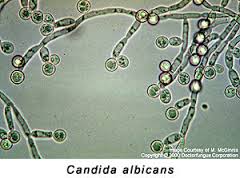
In addition to the organic acid test results, he also discussed the results of the yeast cultures and sensitivity, which detected the presence of the fungus Candida albicans in Alex’s stool, which came as no surprise, since he has had bouts of candidiasis throughout his life. What was surprising was the indication of another fungus, Rhodotorula mucilaginosa, present in his system. While I wasn’t pleased to discover that Alex has not just one but two strains of fungus in his digestive tract, I was relieved to discover that the sensitivity tests showed several antifungals to be effective on these fungi. In fact, the same antifungals that were beneficial to treating one strain were also useful to treating the other, which was good news. The natural antifungals caprylic acid and grapefruit seed extract were shown to be effective, as was Nystatin, an antifungal commonly used in children with autism who have yeast issues. In addition, all three of the prescription azole medications, fluconazole (Diflucan), itraconazole (Sporanox), and ketoconazole (Nizoral), were shown to treat the fungal infections effectively. Fortunately, Alex has taken all of these medications and caprylic acid at one time or another without any negative side effects. In the past, his yeast cultures have shown resistance to Nystatin, so I was pleased to see that we can now add that antifungal to our arsenal along with grapefruit seed extract.

After carefully considering all the test data, Alex’s doctor and I discussed the plans for his treatment. He recommended finishing this month’s dose of itraconazole and then switching to grapefruit seed extract for a month, followed by a month of Nystatin. This rotation of antifungals is a common method of treatment to prevent resistance to any antifungals. He suggested that repeating this three-month cycle would be likely, as he foresees that getting the yeast under control will likely take at least six months. In addition, we prioritized the treatment with supplements recommended by the organic acids test. Because we always do a control method whenever we do something new with Alex, starting only one new supplement at a time, I asked him which supplement we should try first. He suggested a good vitamin B complex to strengthen his immune system and to address nutritional deficiencies indicated by the test results. After that, he recommended adding the supplement CoQ10, followed by the amino acid taurine. Although Alex has taken all of these supplements in the past, we still need to monitor the effects they may have upon him, especially until we get the yeast overgrowth under control.

Along with a copy of Alex’s test results, his doctor gave me a copy of an article about amino acids he had read recently that made him think of Alex. We discussed some of the amino acids Alex has taken in the past, including GABA, taurine, glycine, and thianine, and he explained the benefits of some of these amino acids upon the nervous system, which he felt would help keep Alex calm. Our hope is that once we get the yeast under control, we can reduce the number and/or dosages of psychiatric medications Alex is currently taking and replace them with more natural substitutes to address his anxiety. I also shared some research I had found written by a doctor who has a child with autism and who treats many children with autism. She mentions that whenever her daughter has yeast overgrowth, she complains that she has “fleas” and begs her mother to call the doctor for antifungals. In addition to medication, the doctor recommends frequent Epsom salt baths to help detoxify and calm the itching, the sense of having fleas. Interestingly, Alex has been asking to take two or three baths a day and specifically requests Epsom salts in the tub. As I have mentioned previously, Alex is very in tune with his body, and I was amazed that he knew what he needed to feel better. His doctor agreed, and he recommended that we continue the Epsom salts baths when Alex requests them.

While we wish Alex could be spared of the annoyance of yeast overgrowth, and we continue to pray for his healing, we are thankful that a variety of ways exists to treat the problem so that we don’t need to worry that he is running out of options. Moreover, we’re especially grateful to have a doctor who is in this battle with us for the long haul and who understands the importance of addressing a physical issue that significantly affects Alex’s behavior adversely. Most of all, we are thankful for the healing power of God and for His guidance through medical professionals and tests so that we can help Alex be healthy and happy.

“Lord, your discipline is good, for it leads to life and health. You restore my health
and allow me to live!” Isaiah 38:16

Sunday, November 3, 2013

Breakthrough


As I have explained in previous blog entries, Alex has been dealing with chronic candidiasis, or yeast overgrowth, in his digestive tract for many months, which is fairly common in children with autism. From the time he was a baby, we have treated him for yeast infections every few years, but they always responded to medication and were not as stubborn as this current round. In June 2012, a doctor diagnosed him with thrush and cheilitis, fungal infections in and around his mouth. Since then, we have repeatedly taken him to doctors, who have treated him with runs of antifungal medications and probiotics, hoping to rid his body of these pesky infections. In addition, we were blessed to find a family doctor last spring who emphasizes restoring Alex’s immune system through vitamins and nutrition so that his body can fight infection better.

As we have dealt with the yeast the past year and a half, we have noticed the same pattern repeat itself: Alex becomes irritable, impulsive, and obsessive as we then notice his saliva becomes milky and white spots appear in his mouth. Once he begins taking antifungals, not only do his physical symptoms disappear, but his behavior also improves significantly. His doctor pointed out that when Alex doesn’t feel well, he is just cranky, and his behavior reflects that irritability. While we certainly don’t want Alex to suffer from the thrush, we don’t want to suffer his wrath when he’s feeling ill, either. Consequently, we keep working with his doctor to get this fungal infection under control.

Last month we took him back to his family doctor again with the same symptoms: white spots, milky saliva, and increased agitation in his behavior. Once again, the doctor confirmed what we suspected—the thrush had returned despite two months of taking daily doses of the antifungal Diflucan. During the time Alex was on the medication, he was healthy and happy, and we had a terrific summer with him behaviorally. However, within a couple of weeks off the antifungal, we saw a decline in his behavior along with the telltale physical signs of thrush. This time his doctor wanted to try a new medication to see if it may be more effective long term and to prevent Alex’s body from becoming resistant to Diflucan. He prescribed the antifungal Itraconazole, which Alex takes twice a day, for six months if needed. Once again, we hoped and prayed for healing with this new medication.

Within a few days, we saw improvements in Alex’s mouth and behavior without any negative side effects from the medication, which was a blessing. In fact, last week, which marked three weeks of being on Itraconazole, was one of the best weeks we have ever had with Alex. Moreover, he was the best he has been in his life in terms of his behavior, mood, interaction with others, and speech. One improvement is that he has been more independent and focused, entertaining himself by reading and watching television instead of relying on Ed or me constantly. Not only has he been cooperative and pleasant, but his language skills, which have always been his greatest weakness, have also shown huge gains in a remarkably short time. Instead of speaking in short phrases or sentences with syntax, or word order, problems, he has been speaking clearly in complete, often complex sentences. Also, we have been working with him for many months to talk loudly enough to be heard instead of mumbling, and he has recently been speaking with an appropriate volume so that we don’t need for him to repeat himself. With this breakthrough in speech, we now have a much better idea of what he is thinking. For example, the other night, he asked me, “As people get older, does their metabolism slow down?” After all the years he has struggled with articulation (speaking clearly), volume, syntax, and generating speech, despite years of speech therapy, he finally has found his voice, thank God. Perhaps now that he can express himself, he feels less anxiety and frustration, which has helped his behavior. Perhaps now that he’s feeling better, he feels less need to engage in impulsive and compulsive behaviors. I truly believe that we are finally seeing answers to our incessant prayers for healing.

Interestingly, this week we received test results that we had run a few weeks ago before we began seeing the huge improvements. I had asked Alex’s doctor if we could run an organic acids test with yeast culture and sensitivity through Great Plains Laboratory to see what his urine and stool indicated as far as yeast and metabolism. We had not run one of these tests for about ten years, and we were curious to see what the tests might indicate. Although Alex’s doctor was not familiar with the test, he agreed that this test would be worthwhile after I showed him previous test results. Not surprisingly, Alex continues to show yeast overgrowth in his system as well as some metabolic issues that previous test results have indicated. Once again, his doctor and I will discuss what steps need to be taken to improve his health, but the current antifungal definitely seems to be a step in the right direction.

From our experience, I encourage other parents of children with autism to consider investigating the organic acids test to see if their children might benefit from the biomedical interventions the test recommends if results are abnormal. Dr. William Shaw of the Great Plains Laboratory has a special interest in autism and has done extensive research trying to find ways to help children with autism. His website [which can be accessed by clicking here] has considerable information and resources that offer help and hope. The remarkable improvements we have seen in Alex after having gone through terrible experiences with aggression indicate that proper medical treatment can make huge changes in the life of the child with autism. We kept hoping and praying for Alex to get better, and now we see that he can be better than we ever even envisioned. Through the grace of God and the help of doctors, Alex is getting better, and as parents, we are truly grateful.

“O Lord my God, I cried to You for help, and You restored my health.” Psalm 30:2